

A Conversation I Almost Didn't Have
Last week, I visited a school where we (empowHER India) were building new sanitation facilities for students. Alongside the construction, we run year-round behaviour-change sessions so the impact of the infrastructure lasts long after we're gone. Like most schools, this one was warm and welcoming. The teachers and the headmaster were genuinely enthusiastic about our visit.
My purpose that day was simple: inspect the partially built sanitation block and meet the students, our "champions" who participate in our SAPHL program. But before I could do that, I was ushered into the headmaster’s room, and the students were summoned to meet me there.
Six of them marched in, almost in a military drill, and stood in a perfectly straight line. When I asked them to sit so we could have an informal chat, not a single one moved. They kept glancing nervously at the headmaster. After several polite requests, I still wasn’t making any progress. The headmaster, assuming I didn't speak Marathi, instructed them loudly that no matter how many times I asked, they were not to sit on the chair.
In my many years of visiting schools across the country, I've learned one thing very clearly - if I sit on a chair and students stand rigidly before me, we are never going to have a meaningful conversation. The unspoken message becomes: I will ask the questions, and they must answer "correctly." It leaves no space for curiosity, honesty, or the possibility that I might have something to learn from them.
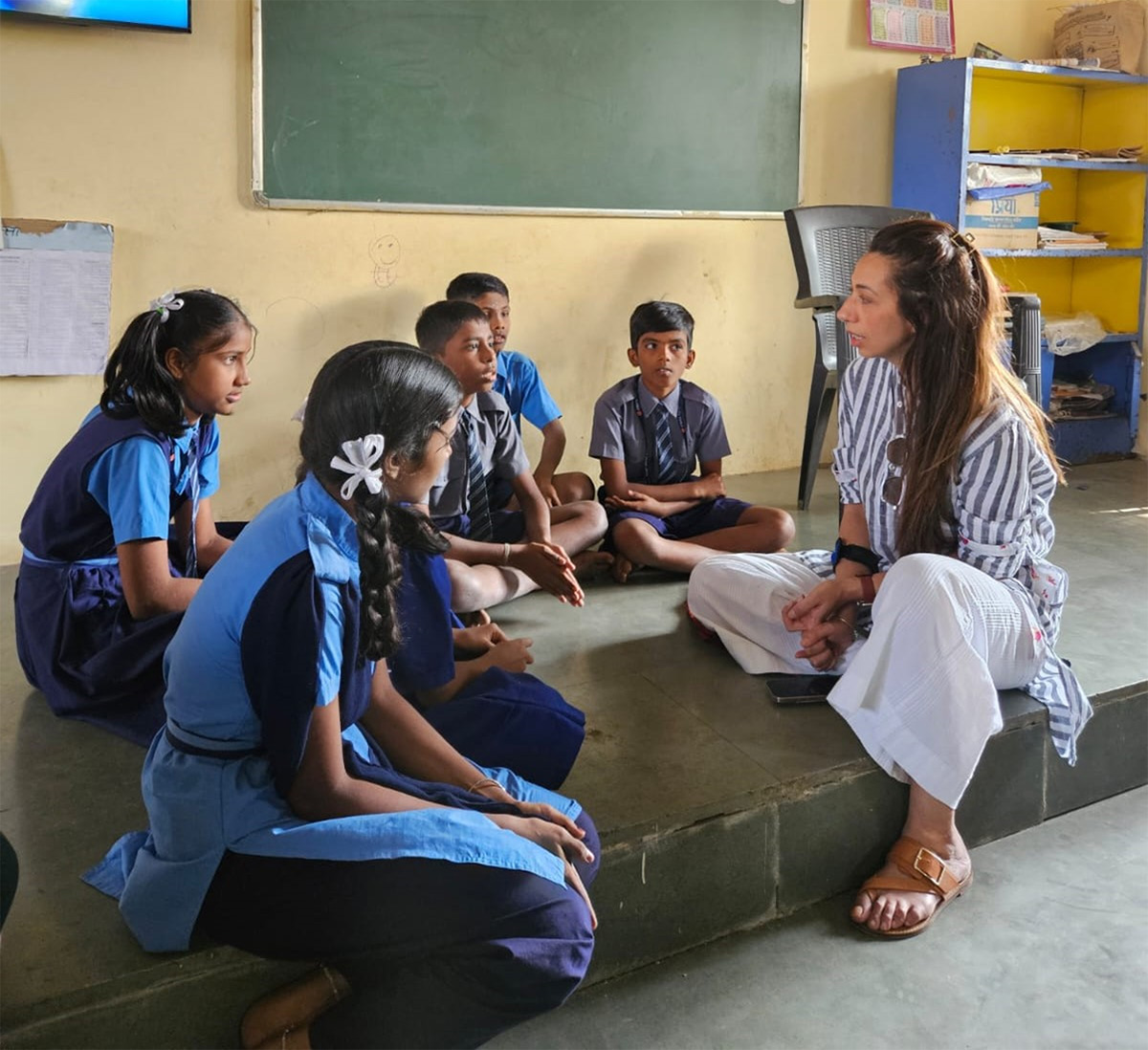
Not wanting to ruffle feathers or embarrass the headmaster, I suggested we step into their classroom instead. There, I simply sat on the classroom floor with them and everything changed. We chatted freely about what they've learned so far. The soap-making activity seemed to be the unanimous favourite. They were excited about their upcoming wall-painting session and proudly shared the environmental sustainability slogans each of them planned to paint.
It reminded me how much simple, human gestures like sitting at eye level, using open body language, removing hierarchy can completely transform a conversation.
I wish more educators would understand that obedience is not respect. It is often just fear. And unless we unlearn this long legacy of insincere obedience, we will never create spaces where children feel truly understood, seen, and safe to express themselves.
ABOUT THE AUTHOR:
Anamara Baig
Anamara Baig, CEO of empowHER India. She brings over 15 years of experience in education and gender equality, along with a Master's in International Relations from the University of Kent. Her earlier work with Pratham and now with empowHER India has focused on creating opportunities for girls. She introduced the SETU program, which helps adolescent girls build confidence, life skills, and a strong sense of agency. Her leadership continues to push gender equity forward in underserved communities.