

Nurturing Strong Mental Health
During my recent visits to government schools in Karjat, Raigad district, I was reminded that education goes far beyond textbooks and exams. True education also means helping children feel safe, understood, and confident in who they are.
Working with children, teachers, and trainers through empowHER India's Child Sexual Abuse (CSA) support initiative has given me valuable insight into both the progress being made and the gaps that remain in our education and child protection systems.
Government schools, particularly in rural and semi-urban areas, often work with limited resources. Despite this, they play a critical role in adolescents' social and emotional development.
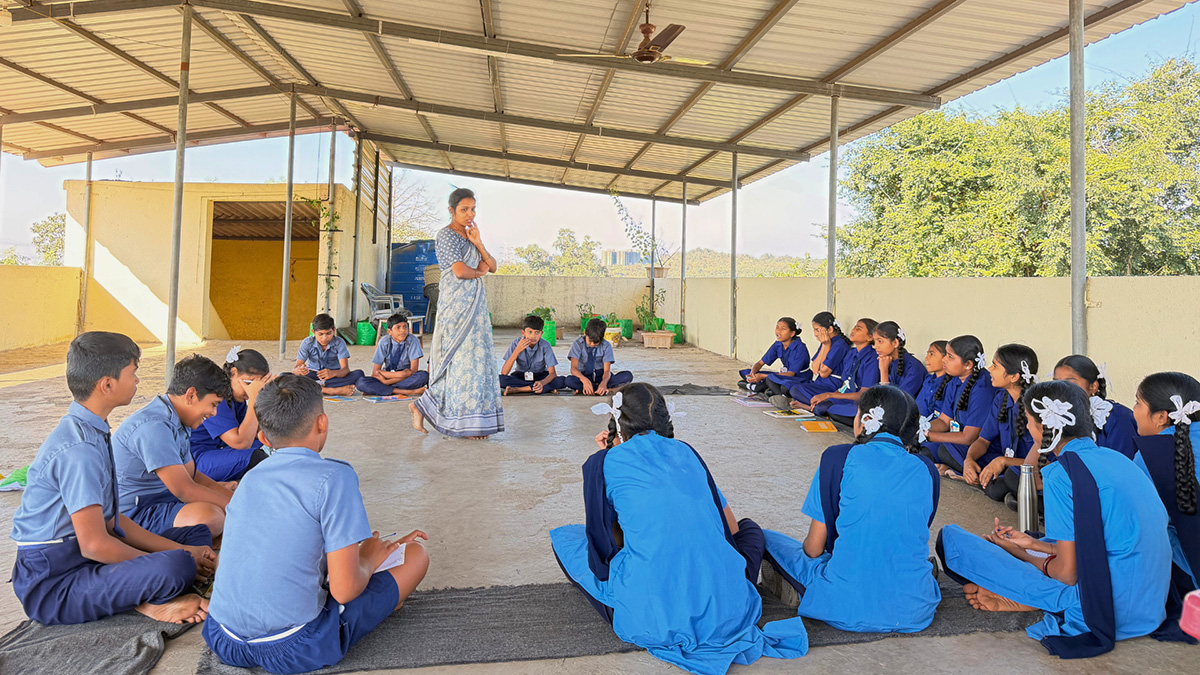
Through empowHER India’s structured sessions, children are introduced to age-appropriate concepts such as recognising emotions, understanding feelings, personal boundaries, empathy, communication, and basic safety. These sessions help children develop the language and confidence needed to express themselves.
Research on Social and Emotional Learning (SEL) shows that when children feel emotionally secure, their academic performance, relationships, and ability to cope with challenges improve. During my observations, many children recalled earlier sessions, participated actively, and spoke more confidently. The regular presence of trained facilitators helped create safe spaces where children felt comfortable sharing their thoughts and emotions.
Teachers and School Leadership as Key Allies
Teachers and school leaders have shown encouraging levels of openness and cooperation. Many recognise that learning cannot truly happen if a child feels unsafe or emotionally distressed.
While teachers are not mental health professionals, they are often the first to notice behavioural changes or emotional withdrawal. With proper training, they can play a vital role in early identification and referral, strengthening the overall support system within schools.
Having worked within the UK education system, the contrast with India is clear. In the UK, safeguarding and child protection are integrated into daily school functioning, with trained staff, designated safeguarding leads, and access to counselling services.
In India, although policies exist, implementation remains uneven, especially in public schools. Counselling services are often absent, and mental health support tends to be reactive. This highlights the urgent need for trained school counsellors and a stronger focus on early intervention.
The Role of Government Support
While empowHER India addresses these gaps through on-ground interventions, long-term impact requires strong government leadership. Appointing trained counsellors, establishing referral systems, and embedding mental health support into the education system are essential steps.
The National Education Policy 2020 recognises holistic development and mental wellbeing, but implementation at the school level remains limited. With children facing academic pressure, family stress, digital exposure, and safety risks, preventive mental health care in schools is essential.
Despite increased awareness in urban areas, child sexual abuse remains a taboo subject in many rural communities. Many children lack the language or confidence to report abuse, and social stigma often silences them.
Under the POCSO Act, the responsibility to report abuse lies with adults and institutions, not with the child. While support systems such as Child Welfare Committees and child helplines exist, delays in reporting continue due to fear and lack of awareness. Normalising conversations around safety, consent, and children’s rights requires consistent community engagement and education.
Beyond laws and policies, empathy remains central to child wellbeing. Emotional safety and psychological awareness are as essential as physical needs. Global public health perspectives recognise children’s mental health as a priority. Early support reduces long-term emotional and social challenges and is far more effective than addressing trauma later in life.
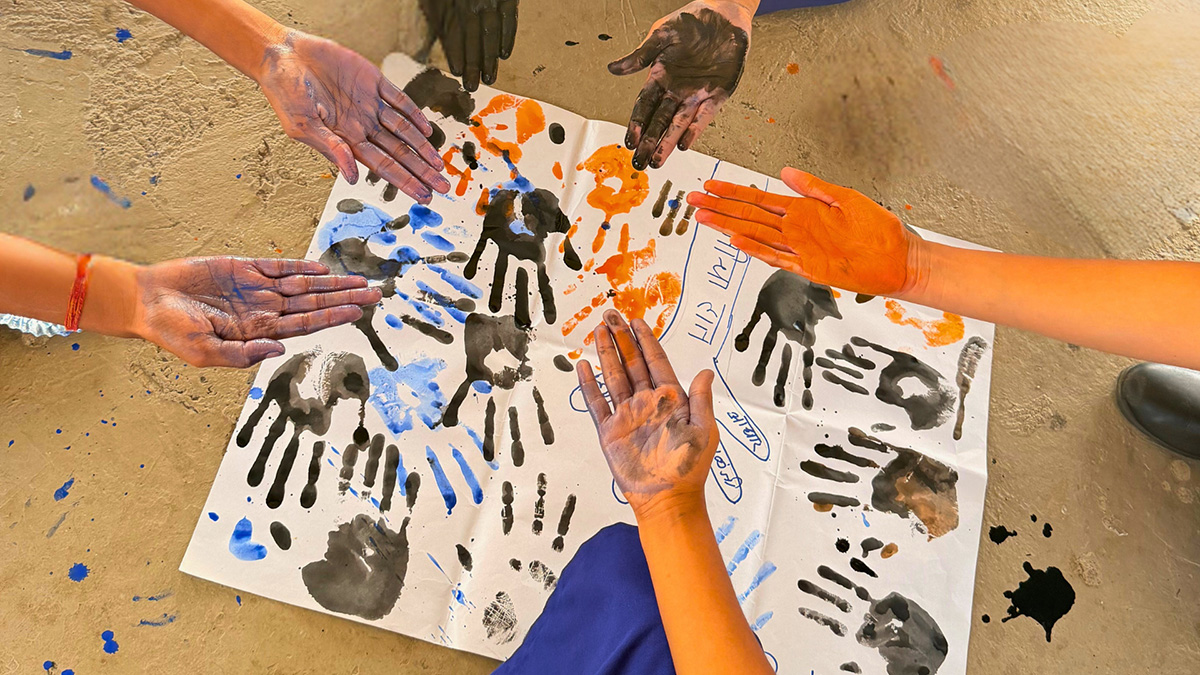
The impact of empowHER India's interventions has been encouraging. Children show improved emotional vocabulary, greater engagement, and increased comfort in expressing themselves. Many participate more confidently in group activities, indicating a growing sense of trust and safety.
At the same time, a significant gap has become visible. Schools often lack resources to support children with special needs, highlighting the need for coordinated services and inclusive education frameworks.
Creating emotionally safe environments for children requires collective effort. Children are the foundation of our society, and the systems we build today will shape their resilience and well-being.
Like strong roots supporting a tree, early and consistent interventions can strengthen entire communities. While foundation-level work takes time, meaningful change begins there. It is our shared responsibility to ensure every child feels safe, supported, and understood.
ABOUT THE AUTHOR:

Vaibhavi Gudekar
Vaibhavi Gudekar is a Counsellor with empowHER India under the Child Sexual Abuse - Support (CSA Project) Initiative, based in Karjat, Maharashtra. She holds a Master’s degree in Clinical Psychology and has over six years of experience working with children, adolescents, and vulnerable populations across India and the UK. Her work focuses on trauma-informed care, child protection, emotional well-being, and community-based mental health interventions.
| • | Durlak, J. A., Weissberg, R. P., Dymnicki, A. B., Taylor, R. D., & Schellinger, K. B. (2011). The impact of enhancing students' social and emotional learning: A meta-analysis of school-based universal interventions. Child Development, 82(1), 405-432. |
| • | World Health Organization. (2021). Guidelines on mental health promotive and preventive interventions for adolescents. |
| • | World Health Organization. (2022). Mental health of children and adolescents. |
| • | Ministry of Education, Government of India. (2020). National Education Policy 2020. |
| • | Government of India. (2012). Protection of Children from Sexual Offences (POCSO) Act. |
| • | Department for Education, UK. (2023). Keeping Children Safe in Education. |